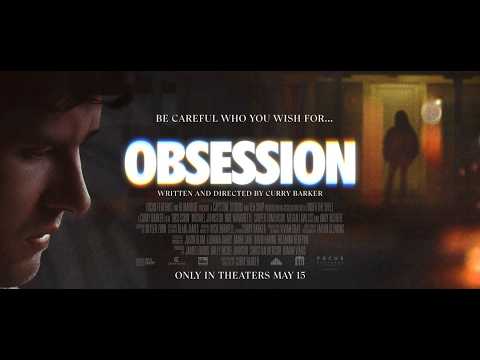
Obsession (2026)
Watch the discussion
This discussion includes spoilers.
Watch the episode on YouTubeThe written companion
Obsession (2026): The Scare Was Immediate. The Verdict Took Longer.
Matt leaves Obsession unsure whether he has watched something he loves or something he cannot quite make sense of. Dan, sitting beside him in the theater, has been wrestling with his own expectations. They went in hearing strong praise, then found a film whose creepy imagery shared space with silliness, uncomfortable humor, and decisions neither immediately knew how to judge. By the time they record this Picture This conversation, Matt’s uncertainty has become part of his recommendation. The more he sits with the movie, the more he appreciates it. Dan enjoys it too, but some of that initial resistance remains.
The premise is built around a wish that sounds simple until it comes true. Bear wants his crush, Nikki, to love him more than anyone else. A mysterious wish-granting object gives him what he asks for, and the attention he imagined as romantic becomes something frightening. That setup offers an easy route into a cautionary horror story. What makes Dan and Matt’s conversation more interesting is their growing disagreement with Bear’s view of his own situation. The film may place them beside him, but that does not mean they stay on his side.
Before they get into that discomfort, both hosts find plenty to admire in Nikki’s performance. Matt is emphatic about the actress’s work, singling out the way she can dominate an image even when the lighting reveals very little. A silhouette or a glimpse of her eyes is enough to trouble him. Dan points to her facial expressions and unnatural movements, especially the sense of a person waiting with an intensity that has stopped looking human. Their praise connects the acting to the filmmaking. The camera does not need to explain everything for the threat to register; what it withholds can make her presence worse.
That is one reason Matt’s opinion improves after the screening. Once he stops trying to decide whether the tonal oddness is a mistake, he begins to appreciate it as a choice. He likes the camera work, the editing, and the way the film eventually releases the tension it has been building. He does find the early stretch a little slow, and neither host holds up the screenplay as flawless. Still, the images stay with him. His uncertainty on leaving the theater gives way to the feeling that he has seen something he would willingly watch again.
Dan is particularly interested in where the film directs the audience’s sympathy. Bear is the character whose problem we follow, so it is easy to frame the nightmare as something happening to him. But Dan keeps bringing Nikki back into view as the person whose wishes have been overridden. The more Bear’s situation develops, the harder Dan finds it to excuse him. Matt agrees that the character’s behavior deserves scrutiny while crediting the lead actor for making him watchable. Their exchange turns a familiar supernatural warning into a more uncomfortable question about wanting someone and feeling entitled to them.
One of their clearest differences emerges in the discussion of a conversation inside a car. Matt loves how long the scene allows an ordinary exchange to continue while he waits for something terrible to interrupt it. He knows danger is coming; Dan even anticipates it beside him. For Matt, that knowledge does not spoil the suspense. The delay gives him time to become interested in the people talking, which makes the eventual violence more shocking. Dan is less taken with the scene, though he agrees that the effects are effective. Listening to them, the issue becomes less about whether a horror film surprises you than about what it does with the time before the blow lands.
Dan’s enthusiasm comes out more easily when the movie gets absurd. His favorite sequence involves Bear trying to persuade a friend to use another wish, and he enjoys the collision between an impossible event and the characters’ questionable responses. That is also where he connects the film with the director’s comedy background. Dan dislikes horror that feels mechanically predictable; here, the humor and exaggeration give him something fresher to respond to, even when familiar story machinery is still visible underneath.
Matt lands at four out of five stars; Dan gives Obsession three and a half. Matt considers going higher but holds back because his first reaction was so mixed. Dan’s score reflects a film he enjoyed more than he disliked, with strong acting and striking imagery alongside material that left him less satisfied. They can see how the premise might support more stories, but neither treats the possibility of a franchise as a reason one should exist. What matters to them is the unsettling, sometimes ridiculous experience this film already delivers.
If a horror film’s strangest choices feel more deliberate the longer you think about them, should that change your rating—or does your reaction in the theater carry more weight? Matt and Dan leave enough space between their verdicts to make that worth arguing about. Watch their Picture This discussion ↗.
This companion discusses the premise, tone, and the construction of a suspense sequence without revealing its outcome or the film’s ending. The full video includes major spoilers.